God Help Us All: A Designer’s Practical Review for Real Embroidery Projects
Embroidery is a craft that blends artistry with technical precision, and as an experienced designer and product reviewer, I always look for designs that strike the right balance between visual impact and practicality. God Help Us All caught my eye not just because of its bold message but also for how it might translate into real-world embroidery projects. Let me walk you through my thoughts on this design from the lens of a working creative.
First Impressions: Mood and Visual Personality
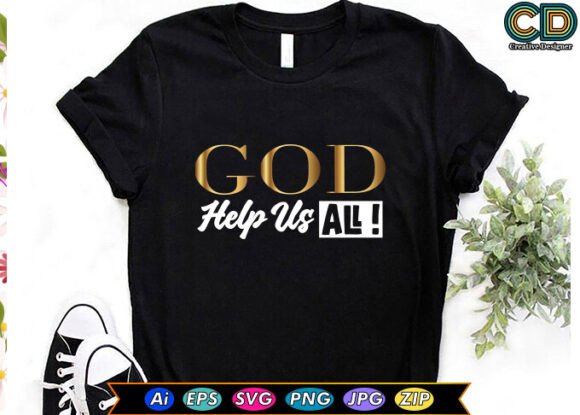
The phrase “God Help Us All” evokes a sense of urgency, strength, and emotional depth. It’s a powerful statement, and when paired with the right typography and layout, it can be incredibly versatile in an embroidery context. The design feels intentional — the font style carries weight without being overly dramatic, which makes it suitable for both personal and commercial use. As someone who often works with clients looking for embroidered slogans or branding, I appreciate the clarity of the message and the confidence it conveys.
Visually, the layout is clean and centered, allowing for easy placement on most garment types. The detail level is moderate, making it adaptable to various fabrics and stitch types. There's enough character in the lettering to stand out, yet it doesn’t become too busy or overwhelming. This kind of design has the potential to feel like more than just text; it can carry personality and purpose.
Real-Life Application: Sweatshirts, Tote Bags, and More
Let’s imagine a scenario where I’m preparing a custom sweatshirt for a boutique client. They want something edgy but still wearable — not too loud, but definitely noticeable. God Help Us All would work well here if placed across the chest or back in a satin stitch format. Its strong sentiment pairs nicely with the softness of a cotton-blend sweatshirt, especially if the thread colors are chosen carefully for contrast.
Another common project I tackle is tote bag embroidery. In this case, the design could be stitched along the top seam or centered boldly on the front panel. Since tote bags are often used for daily wear and may be washed frequently, I’d make sure to test the design on scrap fabric first to confirm stitch density and durability. If everything checks out, it could easily become a staple in a small shop product line or Etsy listing.
Best Use Cases for God Help Us All
- Custom Apparel: Great for hoodies, sweatshirts, and t-shirts with a focus on expressive messaging.
- Baby Clothes: While the tone is serious, it could be softened with a playful font variation or color choice for nursery decor or baby tees.
- Embroidered Patches: The compact nature of the design makes it ideal for creating patches that can be sewn onto jackets, denim, or accessories.
- Aprons and Pillow Covers: These items offer a larger surface area, so the design can breathe and maintain legibility even with intricate stitching.
- Holiday Gifts: With the right color palette, this design can be reworked for holiday-themed embroidery, such as festive sweaters or gift tags.
- Print Templates & Graphics: The high-quality JPG and transparent PNG files allow for excellent mockups and digital previews, which are essential for online shops and printable assets.
Situations to Approach with Care
While God Help Us All is a compelling design, there are a few situations where it needs careful consideration before use:
- Small Hoop Sizes: The design’s length means it may need to be split or resized for smaller embroidery hoops. Be mindful of the space required for each letter.
- Textured or Stretchy Fabrics: On surfaces like canvas or stretch knits, the design might lose some definition unless the stabilizer is adjusted accordingly.
- Dark Fabric Backgrounds: Without sufficient thread contrast, the words may appear muted or illegible. Always test the thread colors against your intended fabric.
- Curved Surfaces (e.g., Caps): Letter spacing and curvature alignment must be fine-tuned to avoid distortion after stitching.
- Detailed Corners and Tiny Lettering: If the design includes ornate corners or thin lines, they may require reinforcement or adjustment for certain machines.
I’ve seen many designs fail in production due to overlooked fabric or machine limitations. This one is no different — while it looks great in concept, the execution depends heavily on preparation.
Design Impact: From Visual Appeal to Brand Value
When evaluating any machine embroidery design, I consider how it affects the overall aesthetic and perceived value of the finished product. God Help Us All has a strong visual presence that can elevate a simple piece of apparel into something meaningful. For hobbyists or handmade shop owners, this kind of emotional resonance can boost customer trust and increase engagement with personalized gifts or boutique branding.
Its bold message also makes it memorable — an important trait for handmade products or commercial embroidery meant for resale. Whether it’s part of a collection of sweatshirt embroidery or a standalone appliance decal, the design adds a touch of individuality that customers notice and appreciate.
Thread Color Considerations
One thing I always do is run a quick black-and-white mockup of the design to see how it will perform without color. This helps identify areas that may need extra attention in terms of stitch direction and coverage. The thread color choices should complement the fabric texture and enhance readability. If using dark threads on a light background, ensure there’s enough saturation to avoid fading over time.
Practical Design Notes for Pros
Before jumping into production, here are some steps I recommend for anyone considering using God Help Us All in their next project:
- Test the design on scrap fabric to assess stitch quality and tension issues.
- Review stitch density — dense fill stitches may cause puckering on delicate materials.
- Confirm hoop size compatibility, especially if planning to use it on multiple garments or items.
- Inspect small details for clarity and adjust them if necessary for specific applications.
- Compare the design on both light and dark fabric backgrounds to ensure visibility and appeal.
- Use proper stabilizer to prevent shifting during stitching, particularly on stretchy or thin fabrics.
- If selling the final product or digital file, check licensing terms to ensure compliance and avoid legal pitfalls.
Final Thoughts for Crafters and Entrepreneurs
God Help Us All isn’t just another text-based embroidery file. It’s a design with character, capable of fitting into a variety of styles and uses depending on how it’s applied. As a designer, I value that adaptability — it allows room for creativity without sacrificing functionality.
Whether you’re an Etsy seller looking to add unique design assets to your listings or a craft business owner preparing seasonal inventory, this design has potential. But like all good tools, it requires thoughtful handling. Take the time to evaluate its fit for your specific embroidery project, and don’t hesitate to tweak it for optimal results.
In short, God Help Us All is a strong contender for print templates and graphics that demand attention. With the right setup and intention, it can turn into a standout finished product that speaks volumes about your brand and craftsmanship.